Ultimate Guide to Dia de los Muertos in Oaxaca
Wondering how to celebrate Dia de los Muertos in Oaxaca? Here’s the ultimate guide!
Oaxaca comes alive during Día de Muertos, offering a vibrant cultural experience you won’t soon forget. The city’s streets fill with color, music, and the aromas of traditional foods as locals and visitors alike honor their departed loved ones.
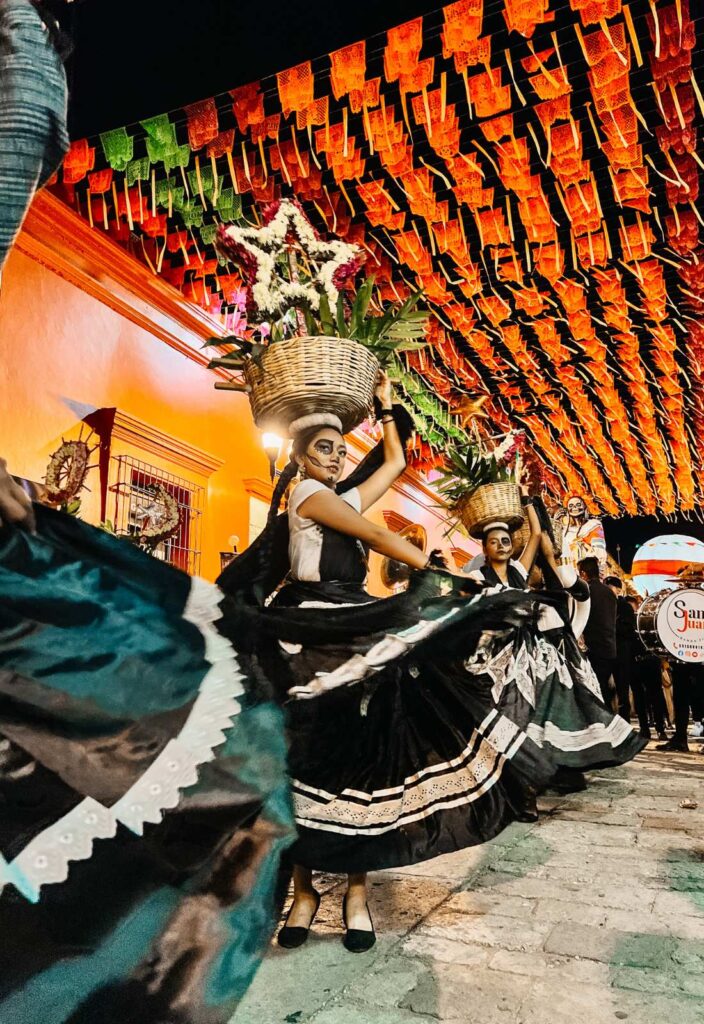
You’ll find plenty of fascinating activities to immerse yourself in the rich Day of the Dead traditions of this ancient Mexican holiday. From elaborate altar displays to lively parades and special culinary offerings, Oaxaca provides a unique backdrop for celebrating life and death.
- What’s it like to celebrate Day of the Dead in Oaxaca?
- When do they celebrate Dia de los Muertos in Oaxaca?
- Things to Do in Oaxaca During Dia de los Muertos
- 1) Visit a cemetery
- 2) Join a calenda
- 3) Learn how to make your own Day of the Dead Altar
- 4) Explore the vibrant marigold-covered streets
- 5) Sample Pan de Muerto at local bakeries
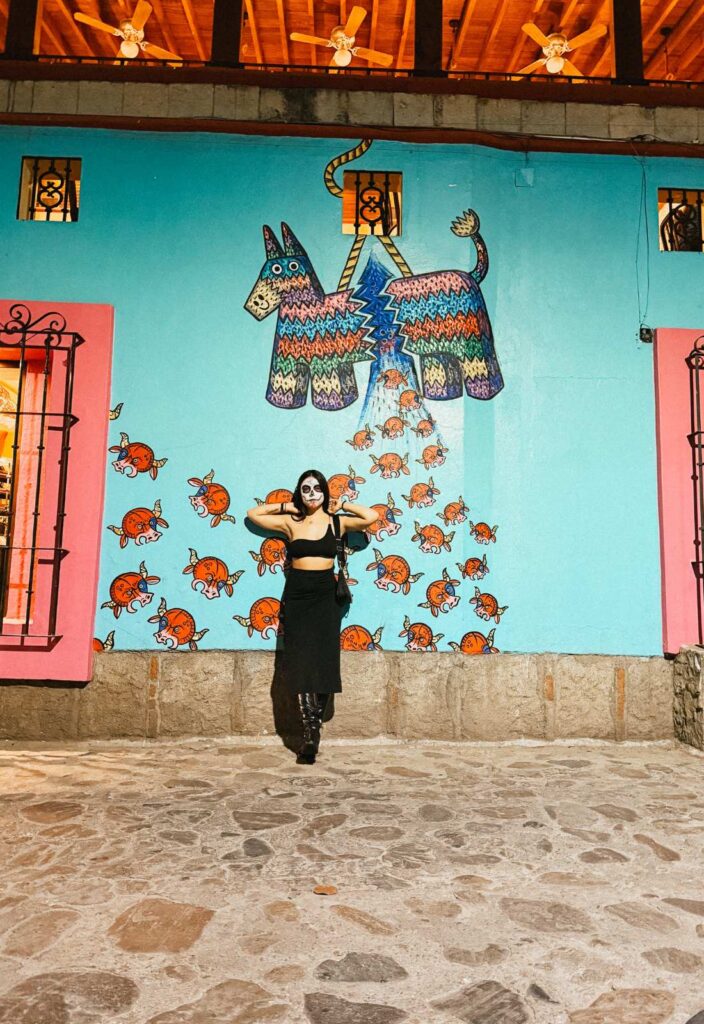
- 6) Get transformed into a Catrina and get your photos taken
- 7) Make your own alebrije
- 8) Join the Tierra De Los Muertos Festival
- 9) Explore the local artisan markets
- 10) Taste mezcal in a candelit setting
- 11) Visit Teotitlan del Valle for a truly local Día de los Muertos experience
- Where to Stay in Oaxaca for Día de los Muertos
- Understanding Día de los Muertos in Oaxaca
- Tips for celebrating Day of the Dead in Oaxaca
What’s it like to celebrate Day of the Dead in Oaxaca?
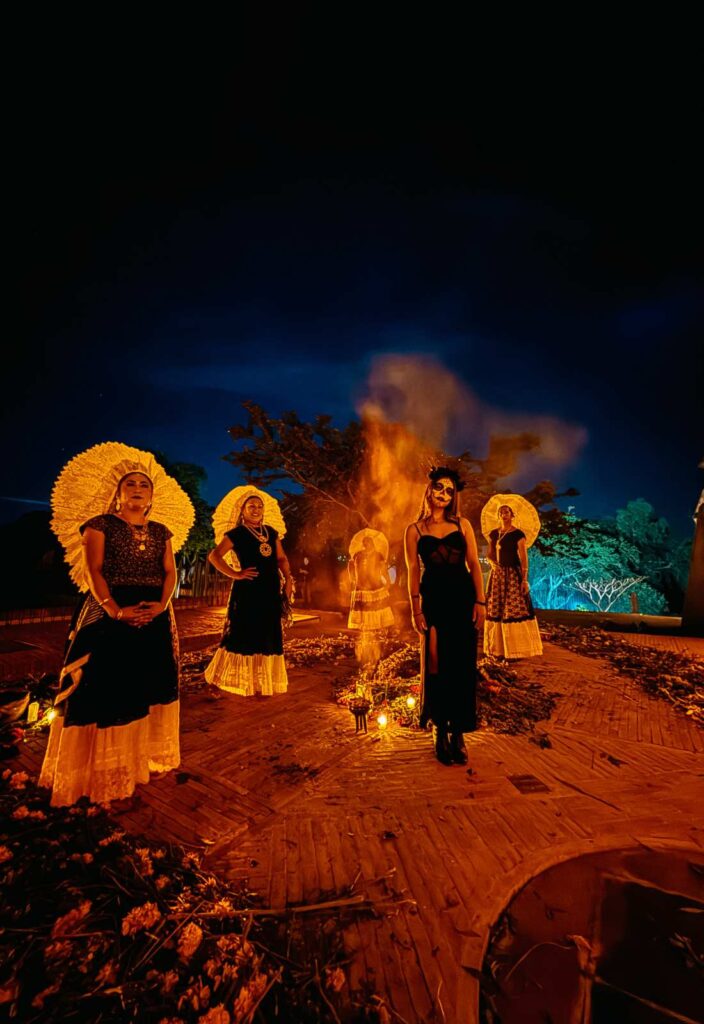
When people ask me how Day of the Dead is celebrated in Oaxaca, I always say it’s something you have to feel with all your senses. The city transforms into a living work of art, with streets glowing with candles, the air filled with the smell of copal incense and pan de muerto, and everywhere you look, marigolds guiding the spirits back home.
Families build intricate altars (ofrendas) in their homes and in public spaces, layering them with photos, favorite foods, drinks, and personal objects of their loved ones who have passed away. These aren’t just decorations; they are bridges between worlds, created with love and care to welcome the souls back, even if only for a night.
What makes Oaxaca so special is how the entire community comes alive during these days. You will see calendas (street parades) with brass bands, dancers, and giant puppets, and cemeteries filled with families who spend the night singing, eating, and sharing stories by candlelight.
I remember walking through Xoxocotlán cemetery one year, and despite the crowds, there was this incredible intimacy with children laughing, grandparents telling tales, and strangers offering mezcal to anyone who passed by. It is both a celebration and a remembrance, joyful and tender at the same time.
Unlike Halloween, which is more about costumes and fun, Día de los Muertos in Oaxaca is about honoring life through death, and it leaves you with a deep sense of connection, not just to the culture but to the universal experience of remembering and loving those who came before us.
Top Tours in Oaxaca for Day of the Dead
- Learn how to make your own Day of the Dead altar with this workshop
- Take a Dia de los Muertos tour through the city
- Get your face painted like a catrina and have your photos taken by a photographer
- Learn how to make your own alebrije with this workshop
- Try mezcal at this candelit event
When do they celebrate Dia de los Muertos in Oaxaca?
Día de los Muertos in Oaxaca is celebrated every year from October 31st to November 2nd, though the city often feels festive for an entire week. Each day has its own meaning.
October 31st is when the celebrations begin, with families preparing altars and welcoming the spirits of children. November 1st, known as Día de los Angelitos (Day of the Little Angels), honors the souls of children, while November 2nd is Día de los Difuntos (Day of the Dead), dedicated to remembering adults who have passed away.
In Oaxaca, you will notice that the festivities aren’t limited to just those dates. Parades, markets, altar displays, and cemetery vigils often start a few days earlier and continue until November 3rd or 4th.
This extended celebration gives visitors plenty of time to experience the magic, from candlelit cemeteries in nearby villages to colorful calendas in the city center. It is truly one of the most special times of the year to be in Oaxaca.
- October 28–30: Early altars begin appearing in homes and public spaces. Markets fill with marigolds, sugar skulls, candles, and pan de muerto. Some families start preparations and vigils.
- October 31: The celebrations officially begin. Many believe this is when the spirits of children start to arrive. Families light candles and place toys or sweets on the altars. Parades and street parties kick off in the city.
- November 1 (Día de los Angelitos): This day is dedicated to children who have passed away. Families decorate altars with bright colors, small offerings, and favorite foods of the little ones. Cemeteries are especially moving on this night.
- November 2 (Día de los Difuntos): The main day of remembrance for adults. Families gather at cemeteries, often staying late into the night with food, mezcal, music, and stories. The atmosphere is both festive and deeply spiritual.
- November 3–4: Some communities continue with celebrations, parades, and cultural events. It’s also a great time for visitors to see altars and exhibitions without the biggest crowds.
Things to Do in Oaxaca During Dia de los Muertos
1) Visit a cemetery
Oaxaca’s cemeteries transform into vibrant spectacles during Día de Muertos. The most famous is the Xoxocotlán cemetery, just a short drive from the city center.
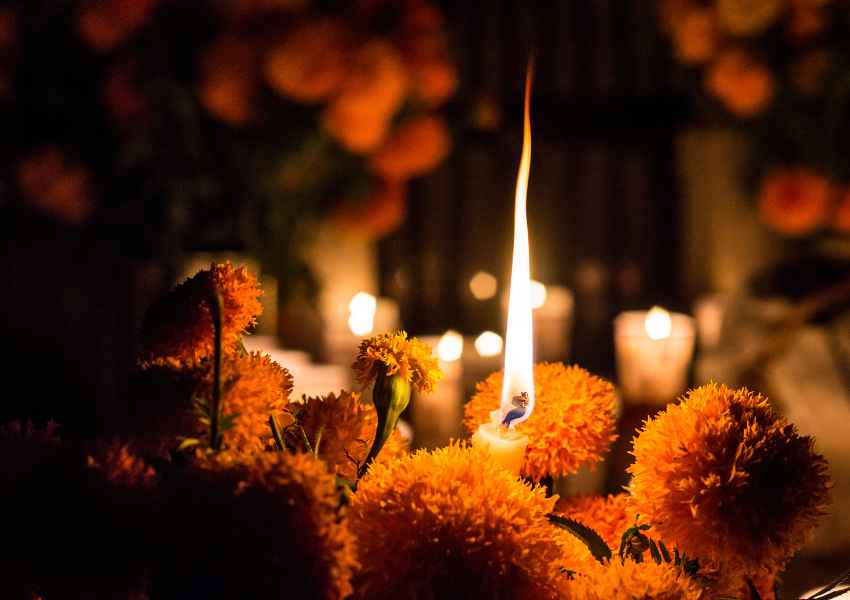
As you enter, you’ll be greeted by a sea of marigolds and colorful papel picado. Families decorate graves with flowers, candles, and ofrendas filled with their loved ones’ favorite foods and drinks.
The atmosphere is festive rather than somber. You’ll hear mariachi bands playing traditional songs and see people sharing meals by candlelight while you stroll through the cemeteries amid thousands of candles.
I recommend this tour if you want to experience the heart of Day of the Dead in Oaxaca. You’ll get to visit the cemeteries of Tlalixtac and San Felipe at night, which is unforgettable. You’ll see families honoring their loved ones with candles, flowers, and offerings, creating a truly magical and moving atmosphere. It’s one of the best ways to connect with the tradition up close and feel the deep meaning behind it. BOOK HERE.
2) Join a calenda
Oaxaca’s streets come alive during Día de Muertos with vibrant parades. You’ll find colorful processions winding through the city, filled with music, dancing, and elaborate costumes. These parades are called “calendas”
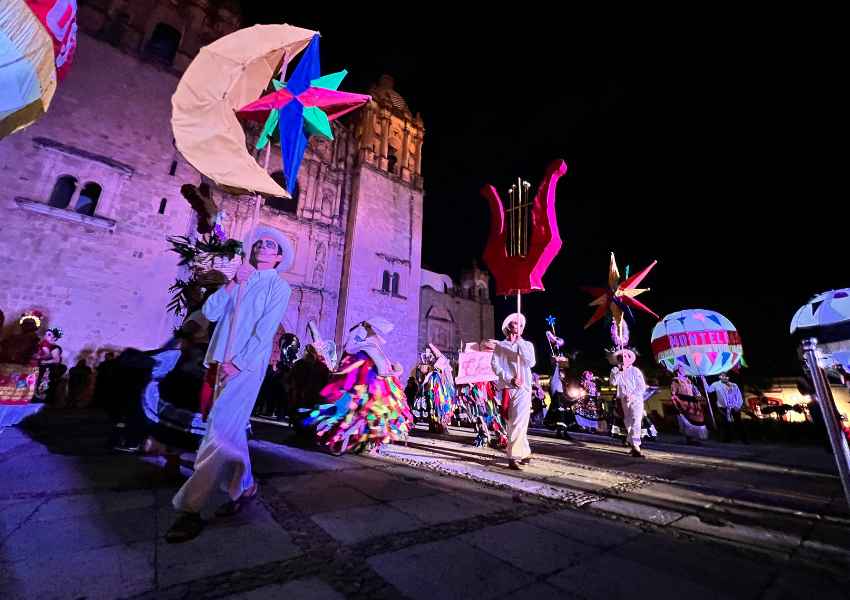
A calenda is a traditional Oaxacan parade filled with music, dancing, giant papier-mâché puppets (called monos de calenda), fireworks, and plenty of joy. They usually happen during weddings, patron saint festivals, and other big celebrations, and they’re all about bringing the community together in the streets to share in the festivities.
During Day of the Dead, calendas add a lively and communal element to the otherwise intimate and spiritual traditions. Large puppets and floats adorned with marigolds and papel picado add to the festive atmosphere. The sound of trumpets, drums, and traditional songs fill the air as the parade passes by.
While families honor their loved ones at home and in cemeteries, the calendas bring everyone out to celebrate life with music and dance. They serve as a reminder that Day of the Dead is not only about mourning, but also about joy, memory, and the continuity of life.
Don’t be afraid to get involved! Many parades welcome spectators to join in and dance along. It’s a great way to immerse yourself in the local culture and celebration.
Tip: Usually, calendas happen at night and begin right in the city center by the Santo Domingo Church. Still, they go on for a while throughout downtown Oaxaca, so they’re hard to miss!
3) Learn how to make your own Day of the Dead Altar
Building an altar is a crucial part of Día de Muertos celebrations in Oaxaca. You can join locals in creating these vibrant tributes to departed loved ones.
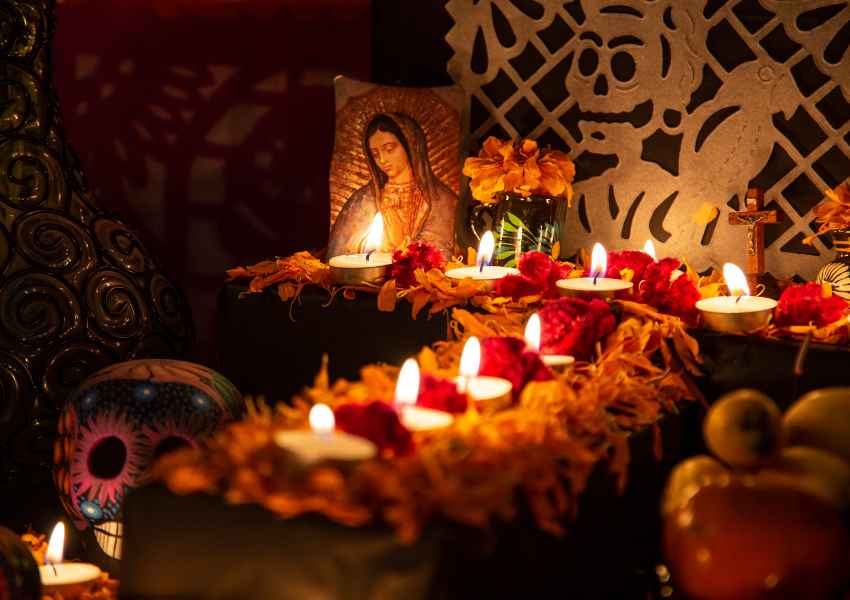
Many families and communities welcome visitors to help assemble altars. You’ll have the chance to arrange colorful marigolds, candles, and photos of the deceased, all while learning about the symbolism behind each item places on the altar.
If you’re wondering where to take this workshop, click right here to book! You’ll shop at a local market for traditional altar items, then join a local family to build your own altar while learning the meaning behind each element. To top it off, you’ll share a homemade Oaxacan meal! BOOK YOUR WORKSHOP HERE.
4) Explore the vibrant marigold-covered streets
During Día de Muertos, Oaxaca’s streets transform into a sea of orange and gold. Marigolds, known as cempasúchil, blanket the city in a breathtaking display.
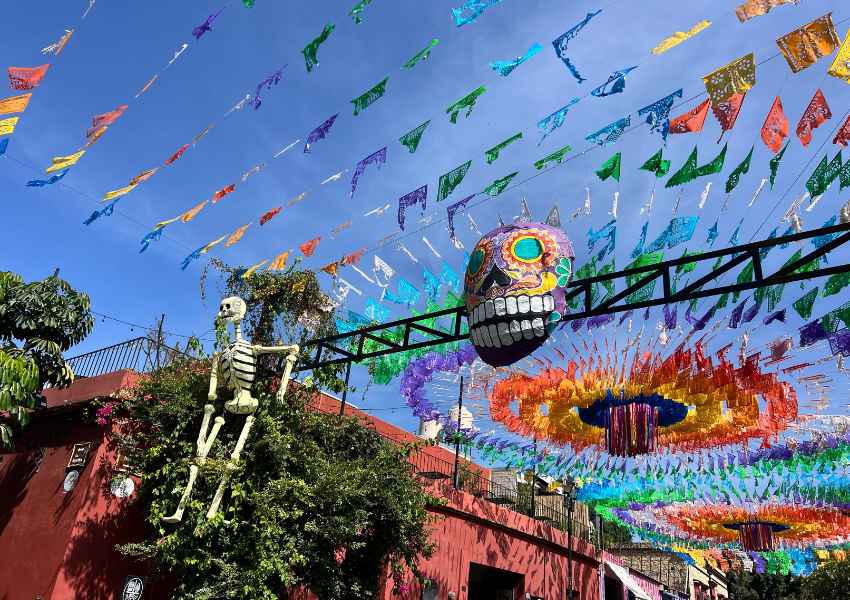
Take a stroll through the historic center and soak in the festive atmosphere. You’ll find intricate marigold arches adorning doorways and sidewalks lined with vibrant petals.
Stop by the zócalo, Oaxaca’s main square, where elaborate marigold displays create stunning photo opportunities. The scent of these flowers fills the air, adding to the sensory experience.
Don’t miss Calle Macedonio Alcalá, a pedestrian street often decorated with impressive marigold carpets. Here, you can admire the intricate designs while browsing local artisan shops.
I recommend this tour if you want to experience the magic of Oaxaca’s streets during Day of the Dead with a guide. You’ll wander through the city’s most beautiful spots, surrounded by flowers, colorful offerings, and lively decorations, while soaking up the energy of music, art, and celebrations all around you. It’s the perfect way to feel the spirit of Día de Muertos come alive in the heart of Oaxaca. BOOK HERE.
5) Sample Pan de Muerto at local bakeries
Pan de Muerto is a must-try treat during Día de Muertos celebrations in Oaxaca. This sweet bread is shaped like bones and decorated with sugar, making it a festive and delicious part of the holiday.
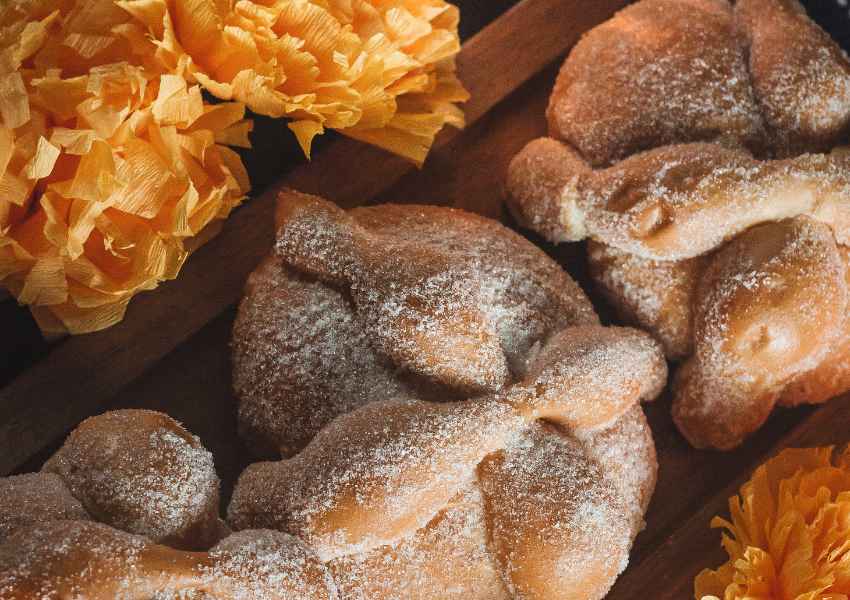
You’ll find Pan de Muerto at many local bakeries throughout Oaxaca City. Take a stroll through the streets and follow your nose to the nearest panadería. The aroma of freshly baked bread will guide you.
Some popular bakeries to check out include Boulenc, Panadería Zucchero, and La Bichonga. Each bakery puts its own spin on this traditional bread, so try a few different versions to compare.
When you visit a bakery, ask if they offer samples. Many are happy to let you taste before you buy. This way, you can find your favorite style of Pan de Muerto.
Travel Insurance for Mexico
Make sure you get travel insurance for your trip to Mexico to avoid any emergencies or extra costs!
We love using Safety Wing as it starts at just a couple of dollars per day and will have you covered when it comes to medical emergencies, lost luggage, delays, and more. Get yours here.
6) Get transformed into a Catrina and get your photos taken
This experience is truly one of the best things to do in Oaxaca for Día de los Muertos if you want to immerse yourself in the celebration rather than just observe it.
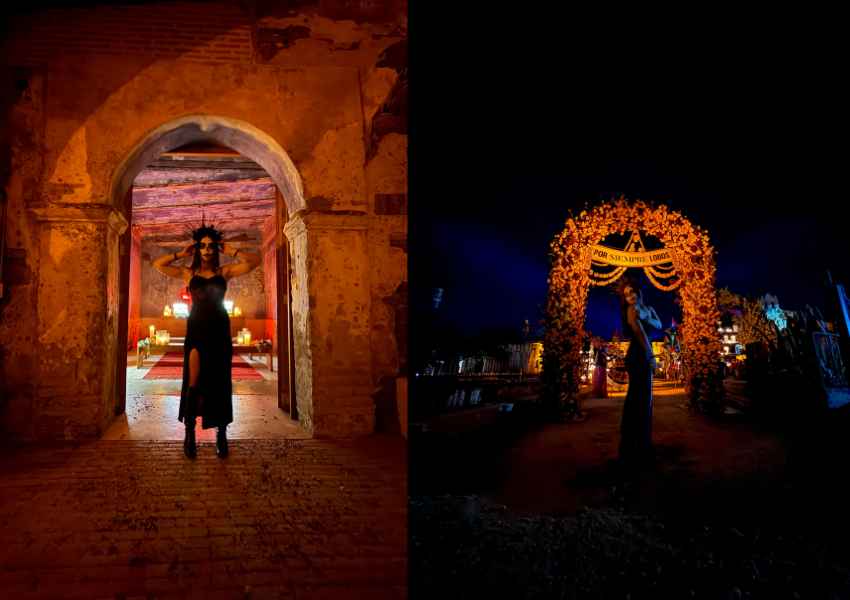
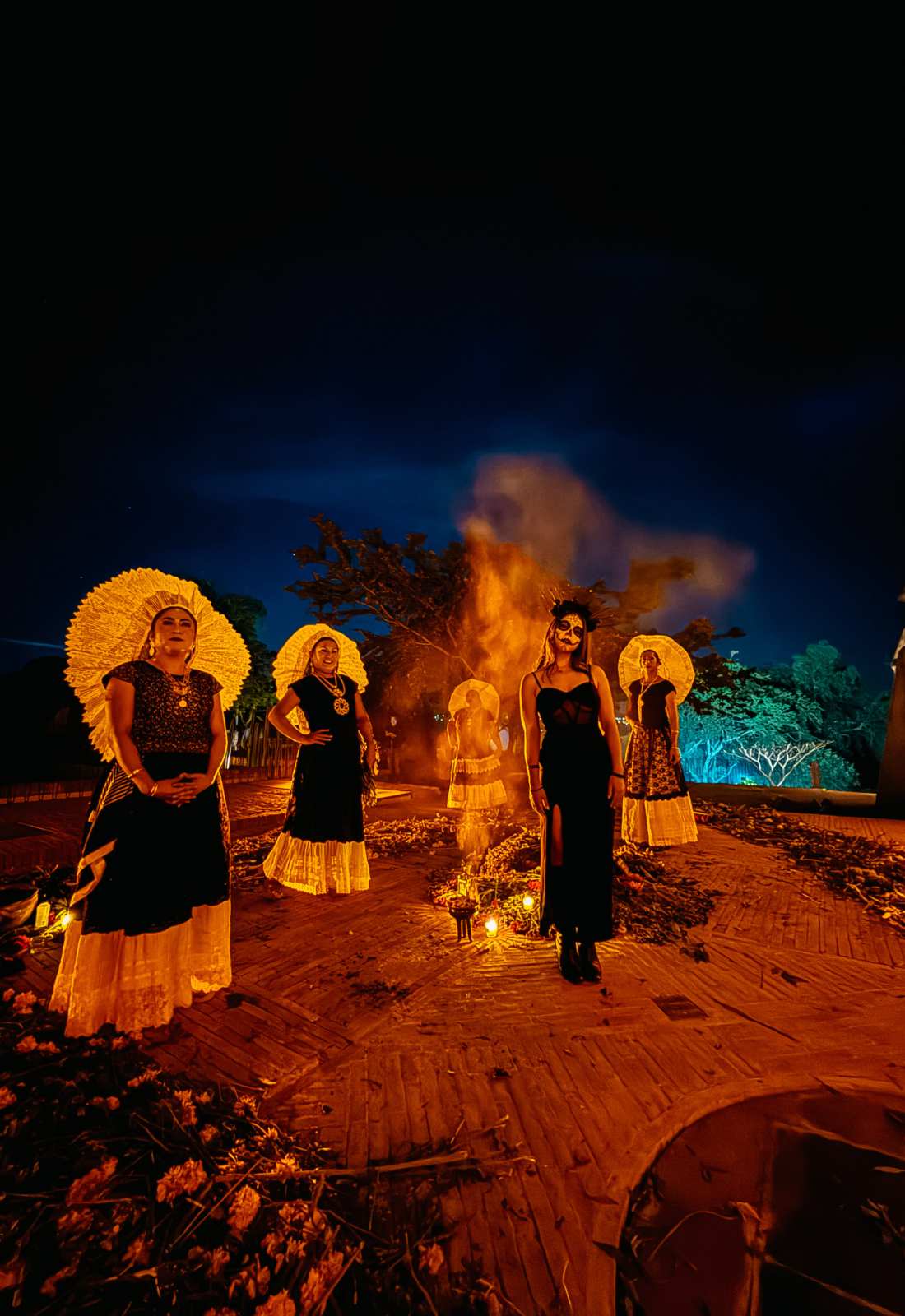
It begins with a professional Catrina makeup session and the option to wear a traditional Oaxacan outfit, blending elegance with cultural depth. From the very start, you’ll feel transformed into part of the magic and spirit that makes this holiday so special.
Afterward, you’ll head out on a personalized photo tour through Oaxaca’s most iconic streets, mezcal in hand, capturing unforgettable images while connecting with locals along the way.
Book your catrina photoshoot here.
PS: if you’re wondering whether Mexicans might see this as cultural stealing, the answer is no. As a Mexican myself, I can tell you that we love seeing visitors embrace and enjoy our traditions, it’s a way of keeping them alive and sharing them with the world.
Día de los Muertos is about honoring life and memory, and when others join in with respect and joy, it only adds to the celebration. For us, it’s heartwarming to see people from all over the globe connecting with our culture, celebrating alongside us, and carrying a little piece of Mexico and Day of the Dead in their hearts.
Book your catrina photoshoot here.
7) Make your own alebrije
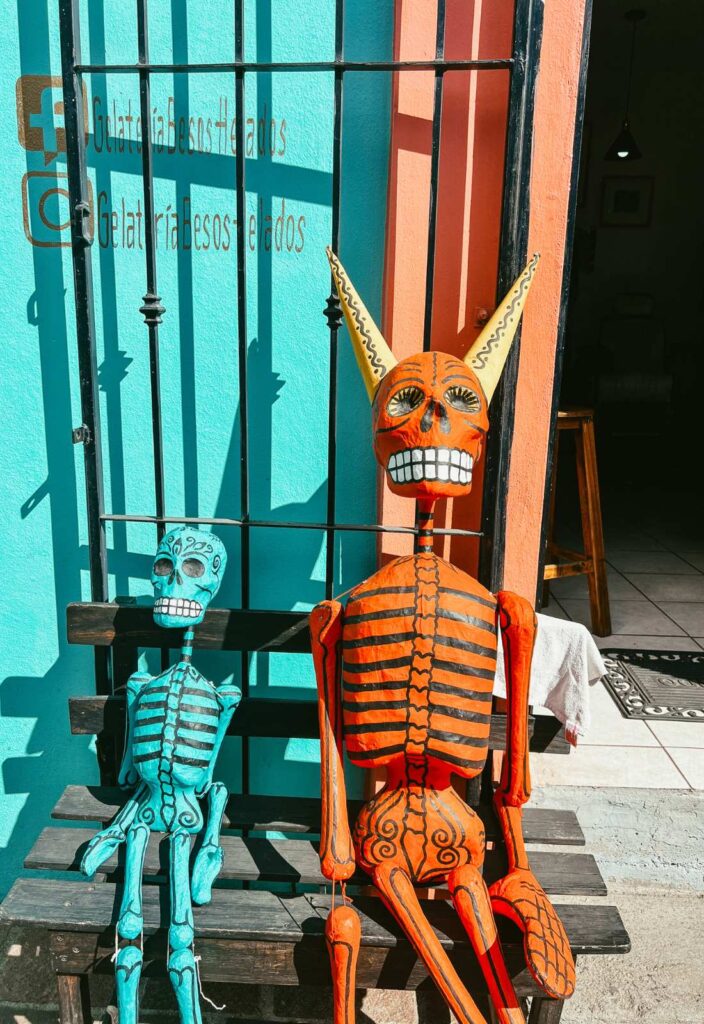
During Day of the Dead, alebrijes carry even more meaning, as they are often seen as spiritual guides that help souls find their way back to the world of the living.
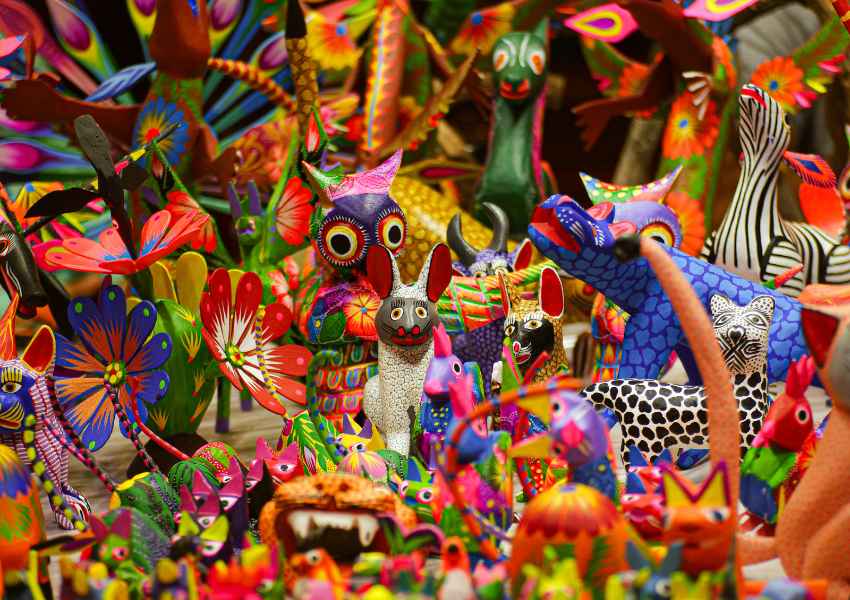
If you’re looking for one of the more creative things to do in Oaxaca for Day of the Dead, a visit to the small village of Arrazola is a must.
This is where the tradition of wooden alebrijes began, thanks to Manuel Jiménez, who made them famous back in the 1950s. On this tour, you’ll meet his grandson Armando and his family, who have been handcrafting these colorful figures for over 30 years.
You’ll see the whole process up close, from carving the wood, to preparing natural pigments from fruits, insects, and minerals, to painting the intricate designs that make each piece unique.
The best part? You’ll get to paint your own small wooden figure to take home, a hands-on activity that usually takes about two hours and makes for the perfect personal souvenir! BOOK YOUR ALEBRIJE WORKSHOP HERE.
8) Join the Tierra De Los Muertos Festival
If you’re looking for the best things to do in Oaxaca and you love festivals and music, this one’s just for you! The Tierra De Los Muertos Festival is a three-day celebration (October 24–26, 2025) in Oaxaca and Mitla that combines the magic of Día de los Muertos with the energy of a world-class music and arts festival.

Expect a world-renowned lineup of DJs and live acts, mesmerizing performances, dynamic art installations, and even traditional ceremonies guided by native healers (curanderos).
9) Explore the local artisan markets
During Día de Muertos, Oaxaca’s artisan markets come alive with vibrant displays of traditional crafts and artwork. You’ll find an array of colorful alebrijes, intricately painted wooden animals that have become synonymous with Oaxacan folk art.
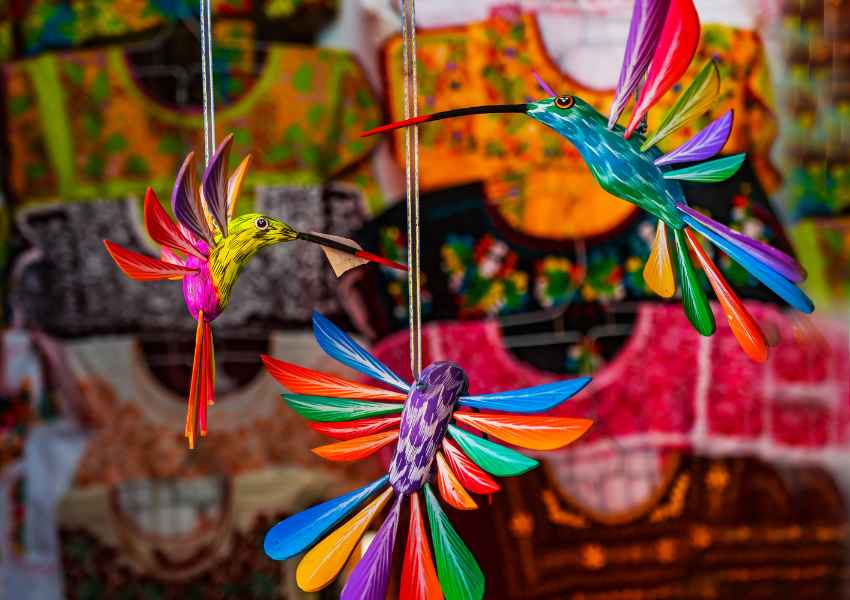
Wander through the stalls to discover handwoven textiles, such as rugs and clothing, adorned with intricate patterns unique to the region. You can also browse ceramic skulls and figurines, often painted in eye-catching designs specifically for the holiday.
Keep an eye out for pan de muerto, a sweet bread traditionally baked for Día de Muertos. These round loaves are often decorated with bone-shaped pieces of dough and make for a delicious souvenir or snack.
10) Taste mezcal in a candelit setting
A mezcal tasting is a must-do for anyone visiting Oaxaca, and during Día de los Muertos, you can even experience it in a candlelit setting that feels truly magical. Step inside a beautifully restored colonial house in the heart of the city and take part in Fuego Silvestre: the mystical mezcal ceremony of Oaxaca.
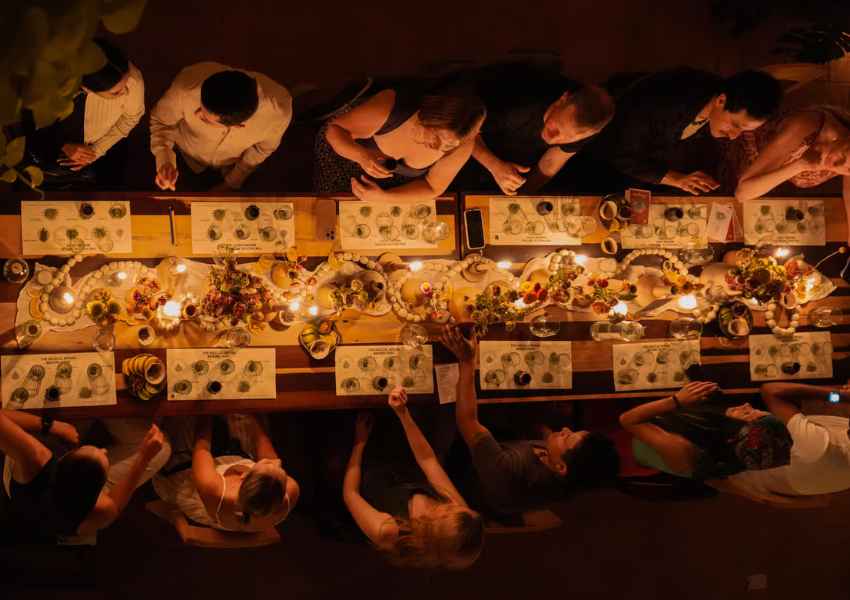
This isn’t your average tasting; it’s a ritual of fire, smoke, and spirit, where every detail, from the handmade clay to the flickering candles, sets the stage for an unforgettable evening.
You’ll be guided through the story of mezcal, from the wild agaves that grow in Oaxaca’s rugged landscapes to the ancestral methods still used by mezcaleros today. Along the way, you’ll taste five rare, small-batch mezcals, each with its own unique character and history.
11) Visit Teotitlan del Valle for a truly local Día de los Muertos experience
If you want to celebrate Día de los Muertos in Oaxaca in the most authentic way, head to Teotitlán del Valle and experience it alongside a local Zapotec family. This tour takes you right into the heart of the community, beginning at the lively village market where you’ll discover the flavors and ingredients that shape Zapotec cuisine.
Throughout the day, you’ll learn about the town’s famous weaving tradition, admire the intricate patterns and colors, and watch as the family prepares their altar with flowers, offerings, and candles.
You’ll even see how handmade wax candles are created – an essential element that lights the way for the spirits. More than just a visit, this is a chance to share, learn, and celebrate with a community that keeps its traditions alive with love and respect. It’s an unforgettable way to connect with the deeper meaning of Día de los Muertos. BOOK YOUR TOUR HERE.
Where to Stay in Oaxaca for Día de los Muertos
City Centro by Marriott

In my opinion, it’s the best hotel to stay in Oaxaca for Día de los Muertos. The location is ideal—just a short walk to downtown and all the vibrant festivities, yet far enough from the heart of the celebrations that you can still enjoy peace and quiet when you return.
With easy access to Oaxaca’s bustling markets, renowned art galleries, and historic treasures like the Santo Domingo Church, this hotel provides a comfortable and authentic base for experiencing the magic of the city.
Quinta Real Oaxaca

Housed in a former 16th-century convent, this five-star hotel is right in the historic center. It has beautiful courtyards, colonial architecture, and top-notch service. Perfect if you want to combine comfort with atmosphere during the festivities!
Hotel Casona Oaxaca

A charming option in a restored colonial building. The rooms are simple but comfortable, and the location near the Zócalo makes it ideal for soaking up the Day of the Dead atmosphere without breaking the bank.
Understanding Día de los Muertos in Oaxaca
Día de Muertos is a vibrant celebration that honors deceased loved ones. This Mexican tradition blends indigenous beliefs with Catholic influences, creating a unique cultural event.
Cultural Significance
Día de Muertos is deeply rooted in Mexican culture. You’ll find it’s not a somber occasion, but a joyful reunion with departed family members. The holiday stems from the belief that the spirits of the dead return to visit the living during this time.
Aztec, Toltec, and other Mesoamerican civilizations have celebrated their ancestors for thousands of years. When Spanish conquistadors arrived, these practices merged with Catholic traditions of All Saints’ Day and All Souls’ Day.
Today, Día de Muertos is recognized by UNESCO as an Intangible Cultural Heritage of Humanity. It’s a time for families to come together, share memories, and honor their lineage.
Traditions and Customs
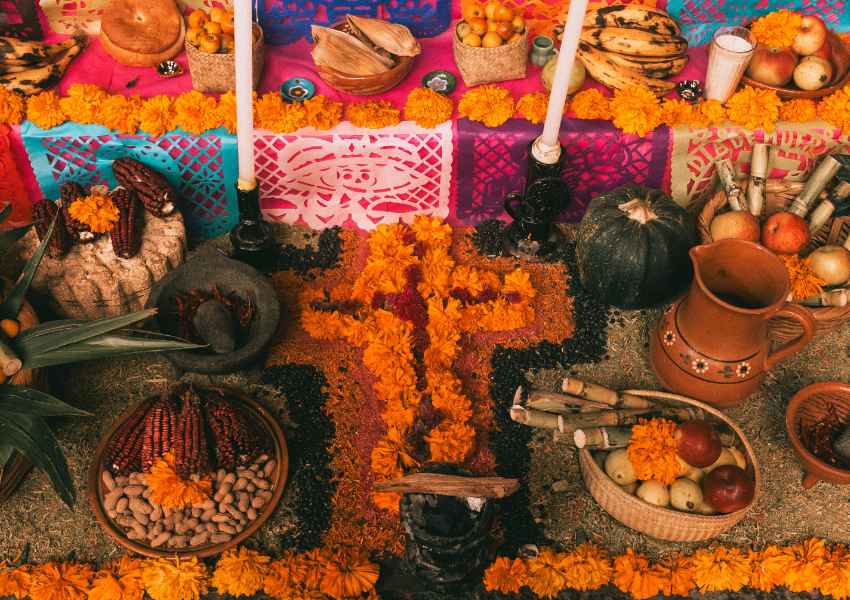
During Día de Muertos, you’ll see colorful ofrendas (altars) in homes and public spaces. These altars are adorned with:
- Photos of deceased loved ones
- Candles
- Marigolds (cempasúchil)
- Sugar skulls
- Pan de muerto (special bread)
- The deceased’s favorite foods and drinks
Families often visit cemeteries to clean and decorate graves. You might spot people having picnics beside tombstones, sharing stories about their departed relatives.
Calaveras (skull imagery) are everywhere during this time. You’ll see intricate face paintings, decorative skulls, and even skull-shaped candies. These symbols represent the cycle of life and death in Mexican culture.
Unique Celebrations
In Oaxaca, you’ll witness colorful altars adorned with marigolds, candles, and ofrendas (offerings) for the departed. Comparsas, lively parades featuring costumed performers and giant puppets, fill the streets with music and dance. You can join in the festivities at local cemeteries, where families gather to honor their ancestors with all-night vigils.
Local History and Influence
Oaxaca’s Día de Muertos celebrations have roots in both Zapotec and Mixtec cultures, dating back thousands of years. You’ll see this influence in the use of copal incense and the belief that spirits return to the world of the living during this time.
The holiday gained prominence after the Spanish conquest, blending with Catholic traditions. Today, you’ll notice a mix of pre-Hispanic rituals and Christian symbols throughout the festivities.
Oaxaca’s unique approach to Día de Muertos has inspired artists worldwide. You might recognize elements of the celebration in popular media, like the animated film “Coco.”
Travel Insurance for Mexico
Make sure you get travel insurance for your trip to Mexico to avoid any emergencies or extra costs!
We love using Safety Wing as it starts at just a couple of dollars per day and will have you covered when it comes to medical emergencies, lost luggage, delays, and more. Get yours here.
Tips for celebrating Day of the Dead in Oaxaca
- Book early – Hotels, tours, and flights sell out months in advance, so plan ahead.
- Visit cemeteries respectfully – Tlalixtac, Xoxocotlán, and San Felipe are popular, but remember you’re entering a sacred space. Ask before taking photos of families or altars.
- Join a calenda – These lively parades with music, dancing, and giant puppets are a must-see (and usually open to everyone who wants to join in).
- Try local foods – Don’t miss pan de muerto, hot chocolate, mole, and seasonal treats like candied pumpkin.
- See the altars – Walk through homes, cultural centers, and public spaces to admire the colorful ofrendas decorated with marigolds, candles, and offerings.
- Dress the part – Many visitors get Catrina face paint or wear traditional clothing; it’s a fun way to join the celebration.
- Respect traditions – For locals, Día de los Muertos is about honoring loved ones. Celebrate joyfully but with sensitivity.
- Explore beyond the city – Villages like Teotitlán del Valle and Mitla offer more intimate and authentic celebrations.
- Take a mezcal break – Oaxaca is mezcal country, and tastings or ceremonies are a great way to connect with local culture.
- Stay safe & flexible – Streets get crowded, events can run late, and plans may shift—embrace the flow of the celebration.